



We all know that one person. The one who chugs sugary sodas, indulges in late-night sweets, and whose relationship with their toothbrush is, at best, inconsistent. Yet, at every dental check-up, they receive a clean bill of health—no cavities, ever. Meanwhile, you meticulously brush, floss, and swish with mouthwash, only to be met with the dreaded sound of the dentist’s drill. It seems baffling and deeply unfair. But what if the secret to a cavity-proof mouth has less to do with perfect habits and more to do with a remarkable combination of genetics, saliva, and a microscopic war being waged on the surface of your teeth? The answer is far more complex and fascinating than you might think.
Table Of Content
Beyond the Toothbrush: The Genetic Lottery
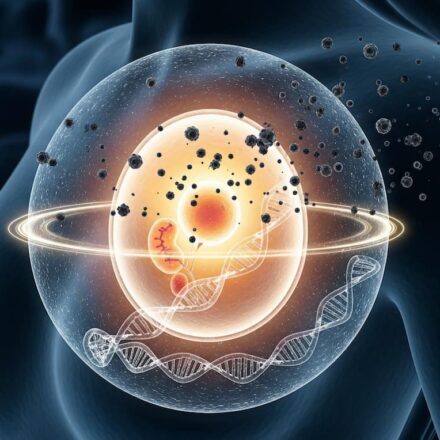
While your dentist’s advice to brush and floss is still golden, it turns out that your DNA plays a starring role in your dental destiny. Think of it as a genetic lottery—some people are simply born with traits that make their teeth naturally resistant to decay. This isn’t just one lucky gene, but a complex interplay of several.
One of the most significant genetic advantages involves the blueprint for your tooth enamel. Variations in genes like AMELX, AMBN, and ENAM can result in enamel that is structured more perfectly at a microscopic level, making it harder and less porous. This dense fortress is far more difficult for the acids produced by bacteria to penetrate.
Furthermore, some individuals possess a powerful genetic weapon against the primary villain of tooth decay, the bacterium Streptococcus mutans. A specific gene, beta-defensin 1 (DEFB1), codes for an antimicrobial protein found in our saliva.1 Certain variations of this gene make the protein far more effective at killing off invading bacteria, essentially giving these people a built-in, 24/7 mouth defense system. It’s like having a bouncer at the door of your mouth, specifically trained to kick out cavity-causing microbes.
A surprising fact: Even your preference for certain tastes is genetically coded. Genes that influence your “sweet tooth” can indirectly affect your cavity risk. If you’re genetically less inclined to crave sugary foods, you’re naturally less likely to feed the bacteria that cause decay.
A Bacterial Battlefield: The Oral Microbiome
Your mouth is a bustling ecosystem, home to over 700 species of bacteria, fungi, and viruses.2 This community is known as the oral microbiome, and its balance is the key to dental health.3 In a healthy mouth, beneficial bacteria live in harmony, but when you consume sugar, you’re feeding the bad guys.4
Streptococcus mutans is the chief antagonist. It eats sugar and produces lactic acid as a waste product. This acid dissolves the minerals in your tooth enamel, creating microscopic holes in a process called demineralization.5 If left unchecked, these holes grow into cavities.
So why don’t cavity-proof people have this problem? Their secret lies in the composition of their microbiome. They often host a robust population of beneficial bacteria, such as Streptococcus salivarius and Streptococcus sanguinis, which actively work to protect their teeth. They can outcompete S. mutans for resources and space, essentially starving them out.
Here’s a little-known fact: Some people’s mouths are home to unique strains of bacteria, like certain types of Corynebacterium, that can actually metabolize lactic acid. They clean up the dangerous byproduct before it can harm the teeth. Even more fascinating, some individuals have oral bacteria that produce ammonia.6 This naturally raises the pH of the mouth, neutralizing acid and creating an environment where decay-causing bacteria can’t survive. They have, in essence, their own built-in antacid factory.
The Superpowers of Saliva
Saliva is one of the most underrated heroes in the fight against cavities.7 It’s far more than just water; it’s a complex fluid with remarkable defensive capabilities. For those immune to cavities, their saliva is often working overtime.8
First is the flow rate. A healthy, abundant flow of saliva constantly rinses away food particles and sugars, denying bacteria their fuel.9 People with naturally high saliva flow are at a distinct advantage.
Second is the buffering capacity. Saliva is rich in bicarbonate, which acts as a powerful buffer to neutralize the acids produced by plaque bacteria.10 Someone with high buffering capacity can eat something acidic or sugary, and their saliva will rapidly return their mouth’s pH to a safe, neutral level.
Finally, saliva is supersaturated with minerals like calcium and phosphate.11 After an acid attack begins to demineralize enamel, this mineral-rich saliva swoops in to rebuild it in a process called remineralization.12For some lucky people, this remineralization process is so efficient that it heals microscopic lesions before they can ever become a full-blown cavity. The unique shape and spacing of teeth, also genetically determined, can also play a role, creating “self-cleaning” surfaces where plaque struggles to gain a foothold.
So, while we can’t change our genes, understanding this science opens up exciting new possibilities. The future of dentistry may not just be about drilling and filling, but about personalized care based on our unique biological makeup.
As we continue to unravel the secrets of the oral microbiome and our genetic predispositions, could we one day develop a probiotic pill or a customized mouthwash that grants everyone the dental superpowers of the “cavity-free”? What would a world without tooth decay truly look like?