



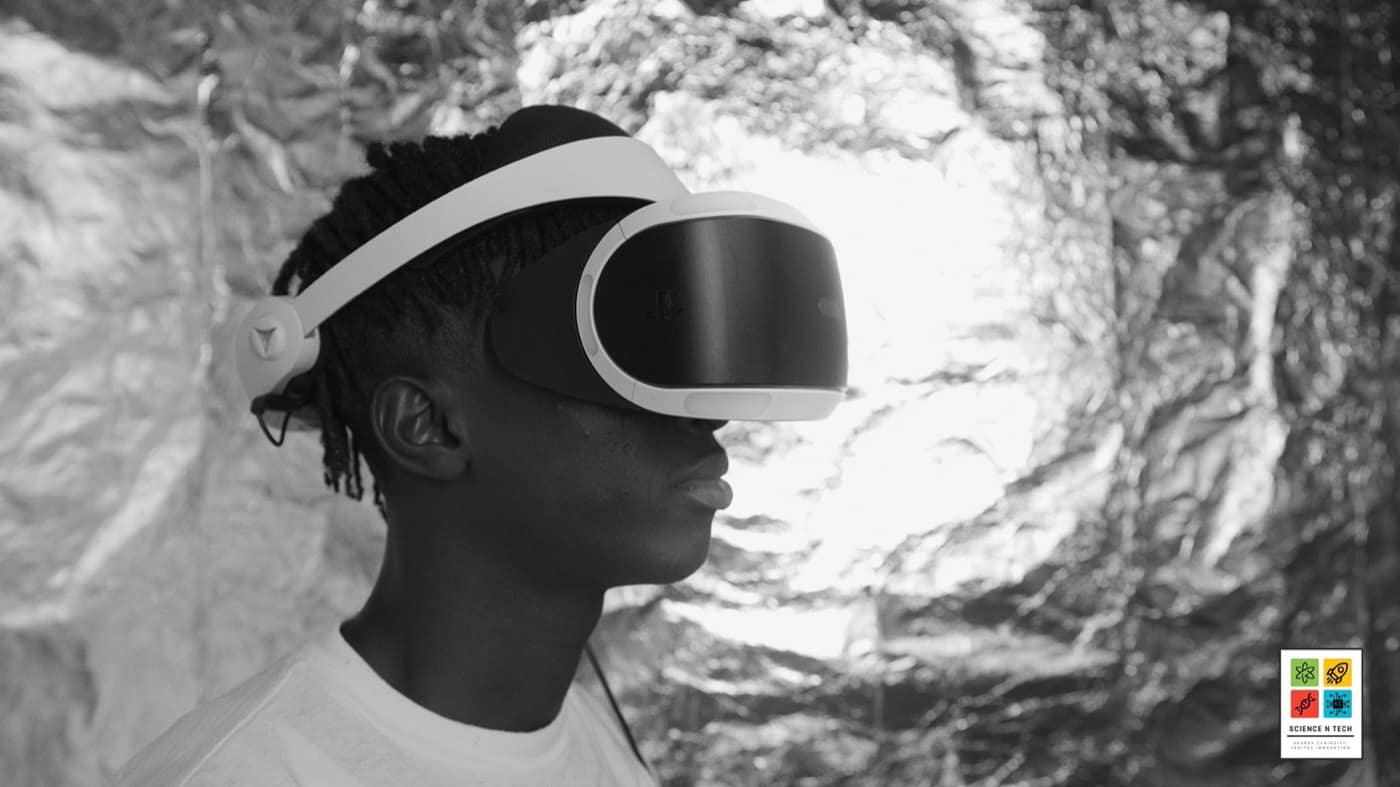

Imagine the gripping fear of standing on the edge of a tall building, the paralyzing anxiety of speaking to a large crowd, or the haunting replay of a traumatic memory. For millions, these are debilitating realities. Traditional therapy often involves talking through these fears or, in some cases, confronting them in the real world. But what if there was another way? What if you could face your deepest phobias, re-process trauma, or even manage chronic pain, all from the safety of a therapist’s office by simply putting on a headset? This is the reality of Virtual Reality (VR) therapy, a field that is rapidly moving beyond gaming to become a powerful and surprisingly effective medical tool.
Table Of Content
What is VR Therapy? More Than Just a Distraction
When many people think of VR, they picture immersive video games. But therapeutic VR is far more than a simple distraction. It is the use of carefully designed, interactive virtual environments to achieve specific clinical goals. In a VR therapy session, the patient is not just a passive observer; they are an active participant in a world the therapist can control and customize in real-time.
The therapist can introduce challenging elements gradually, monitor the patient’s biometric data (like heart rate and stress levels), and provide guidance throughout the simulated experience. This creates a powerful feedback loop: the brain perceives the simulation as real enough to engage with, but the patient remains physically safe, allowing them to learn and adapt in a controlled setting. It’s the perfect bridge between imagination and reality.
Re-writing Fear: Exposure Therapy in a Headset
One of the most successful applications of VR therapy is in treating anxiety disorders and phobias through exposure therapy. The goal of this therapy is to gradually expose a person to their feared stimulus in a safe environment until the fear response diminishes. VR makes this process safer, more accessible, and more controllable than ever before.
Treating Phobias: Someone with a fear of flying can put on a headset and find themselves in a virtual airport. They can board the plane, sit through takeoff, and even experience turbulence, all while their therapist guides them through coping techniques. For a fear of heights, they might ride a virtual glass elevator. For arachnophobia, a therapist can introduce a single, small virtual spider and slowly increase its size or number based on the patient’s progress.
Treating PTSD: VR has become a vital tool for helping military veterans and others suffering from Post-Traumatic Stress Disorder. Programs like “Bravemind,” developed at the University of Southern California, allow therapists to create customised virtual environments that resemble the source of a patient’s trauma. In this secure space, the patient can confront and re-process painful memories, gradually reducing their emotional hold. This process, known as Prolonged Exposure, helps the brain learn that the memory is no longer a present threat.
The Brain’s Perception of Pain: A New Frontier
Perhaps the most surprising benefit of VR is its remarkable ability to manage pain. Pain is not just a physical signal; it is an experience constructed by the brain. VR can powerfully influence this construction.
Acute Pain Relief: Numerous studies, including those at hospitals here in Australia, have shown that immersing a patient in an engaging virtual world can dramatically reduce acute pain during procedures like changing burn dressings or dental work. The immersive sensory input of the virtual world is so demanding that it diverts the brain’s attentional resources, essentially crowding out the pain signals. Some studies have found it can be more effective than morphine.
Chronic Pain and Rehabilitation: For those with chronic pain or recovering from an injury, VR offers new hope. Gamified physical therapy programs can make monotonous rehabilitation exercises more engaging, leading to better patient adherence and faster recovery. For stroke patients, seeing a virtual limb move correctly in response to their efforts can help remap neural pathways in the brain—a process called neuroplasticity—and restore function to a paralyzed limb.
A surprising fact: The effects of successful VR therapy are not just psychological; they are physical. Brain scans taken before and after VR exposure therapy for phobias have shown tangible changes. The connections in the prefrontal cortex (the part of the brain responsible for logic and reasoning) become stronger, while the fear response generated by the amygdala becomes weaker.
As this technology becomes more affordable and accessible, institutions across Australia, from the University of South Australia’s’s Innovation & Collaboration Centre to major hospitals, are increasingly researching and adopting VR for everything from mental health support to stroke recovery, placing us at the forefront of this medical revolution.
VR is maturing from a novelty into a legitimate medical device. It provides a unique and powerful way to treat the human mind by creating worlds specifically designed to help it heal. As these virtual realities become ever more realistic, what other aspects of human health will be transformed by our ability to recover within a simulated world?
References
- Rizzo, A. “Skip”, & Shilling, R. (2017). Clinical Virtual Reality: A New Tool for Health and Wellness. Annual Review of CyberTherapy and Telemedicine, 15.
- Hoffman, H. G., Chambers, G. T., Meyer, W. J., et al. (2011). Virtual reality as an adjunctive non-pharmacologic analgesic for pain control during burn wound care. Pain, 152(5), 1089-1095.
- Note: A key study on VR for pain management.
- Link: https://www.ncbi.nlm.nih.gov/pmc/articles/PMC2782803/
- Parsons, T. D., & Riva, G. (2016). Virtual Reality in Clinical Assessment and Neuropsychology. Studies in health technology and informatics, 220, 277-283.
- University of South Australia. (2025). VR technology to help people with brain injuries.
- Freeman, D., Reeve, S., Robinson, A., et al. (2017). Virtual reality in the assessment, understanding, and treatment of mental health disorders. Psychological medicine, 47(14), 2393-2400.