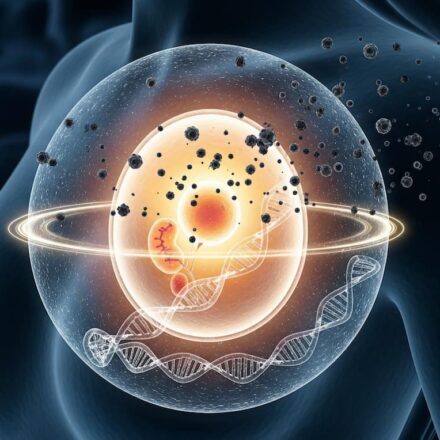





Imagine walking through a city park at night, not under the harsh glare of electric lamps, but bathed in the soft, ethereal glow of the trees themselves. Picture a houseplant on your desk that illuminates your workspace with its own living light, a scene straight from the world of Avatar. This is no longer science fiction. In a stunning breakthrough, scientists have engineered plants that produce their own visible, sustained bioluminescence, moving a fantastical dream into the realm of reality. The secret wasn’t a feat of pure invention, but a clever act of biological borrowing that could forever change our relationship with light.
Table Of Content
Borrowing Nature’s Lantern: The Fungal Breakthrough 🍄
For years, scientists have tried to create glowing plants, mostly by borrowing genes from fireflies or bioluminescent bacteria. While they achieved some success, these early attempts had major drawbacks. The firefly system required the plants to be fed an external chemical compound called luciferin to glow, and the bacterial systems were often too inefficient or toxic, harming the plant’s health. The glow was faint, fleeting, and impractical.
The true breakthrough came from an unexpected source: glowing mushrooms. A team of scientists, including researchers from the company Light Bio, turned their attention to the fungus Neonothopanus nambi. Unlike fireflies, these mushrooms have a bioluminescent system that is deeply intertwined with a metabolic process common in the plant kingdom. The key molecule is something plants already have in abundance: caffeic acid.
By understanding and harnessing the complete fungal pathway, scientists found a way to create plants that could glow on their own, using their own fuel, without any harm to themselves. It was the missing piece of the puzzle, a biological Rosetta Stone that translated the language of fungal light into the language of plants.
The Caffeic Acid Cycle: How It Works
The elegance of this new method lies in its synergy with the plant’s own biology. Caffeic acid is a vital compound that plants naturally produce and use to build lignin, the tough polymer that gives wood its strength. The scientists didn’t need to reinvent the power source; they just had to install the machinery to convert that power into light.
They did this by inserting four specific genes from the glowing fungus into the plant’s DNA. Here’s how the self-sustaining cycle works:
- Conversion: Two genes code for enzymes that take the plant’s native caffeic acid and convert it into a light-emitting molecule, the fungal version of luciferin.
- Luminescence: A third gene produces an enzyme that oxidizes this luciferin, releasing a photon of light in the process—creating the soft, green glow.
- Recycling: A fourth, crucial gene produces an enzyme that converts the spent luciferin back into caffeic acid, which the plant can then reuse in the cycle or for its normal functions.
This closed loop is what makes the technology so revolutionary. The plant doesn’t run out of fuel because it continuously recycles the key components. It is an autonomous, self-sustaining bioluminescence that is woven directly into the plant’s metabolism.
“We can make glowing plants that are not different from regular plants, except that they glow,” explains Dr. Karen Sarkisyan, a lead author on the foundational study and co-founder of Light Bio. “The glow is a part of them, just as their smell or color.”
A surprising fact: The light produced by these plants is dynamic and alive. It’s often brightest in the youngest, most metabolically active parts of the plant, like new shoots, buds, and flowers. The glow can even change, pulse, or shimmer in response to the plant’s health and its environment, creating a subtle, living light show.
From Glowing Petunias to Luminous Trees: The Future of Living Light ✨
While the first commercially available glowing plants are ornamentals like petunias, the implications of this technology stretch far beyond simple novelty.
- Scientific Research: The glow acts as a real-time, non-invasive “reporter” of the plant’s internal state. Scientists can now visually track a plant’s metabolism, watch how hormones move, and see how it responds to stress like drought or disease. It’s like giving the plant a voice to tell us how it’s feeling.
- Sustainable Lighting: This is the grand vision. Imagine cities replacing a portion of their electric streetlights with rows of glowing trees. This “biological lighting” could drastically reduce electricity consumption, lower carbon emissions, and combat light pollution by producing a softer, more natural illumination.
- Advanced Agriculture: A plant’s glow could one day act as a built-in sensor. Farmers could instantly see which crops need water or nutrients. The glow could even signal when a piece of fruit has reached peak ripeness, optimizing harvests and reducing waste.
Another little-known fact: The key molecule in this process, caffeic acid, is a phenolic acid that is also famously abundant in coffee. In a strange twist of biochemistry, the technology that lets us create living lamps is powered by a compound closely related to the one that fuels our mornings.
Unlike materials that glow in the dark by storing and re-emitting light (phosphorescence), these plants generate their own light, 24/7, from their internal metabolic energy. It is a true, living light.
The creation of autonomously bioluminescent plants marks a pivotal moment in synthetic biology. We are no longer just observing nature; we are beginning to partner with it in a truly integrated way.
As we begin to bring living light into our homes and cities, we are not just creating a new technology, but forging a new relationship with the natural world. What will our planet look like when our light sources are alive, growing and breathing alongside us?
References
- Mitiouchkina, T., Mishin, A.S., Somermeyer, L.G., et al. (2020). Plants with self-sustained luminescence. Nature Biotechnology, 38, 944–946.
- Light Bio. (n.d.). The Science. Company Website.
- Note: The official website for the company commercializing the technology, explaining the process for a general audience.
- Link: https://light.bio/pages/the-science
- Yirka, B. (2020, April 27). Self-sustaining luminescent plants developed. Phys.org.
- Note: A news article summarizing the key findings of the 2020 Nature Biotechnology paper.
- Link: https://phys.org/news/2020-04-self-sustaining-luminescent.html