



For all of human history, extinction has been a one-way street. The loss of a species, whether the passenger pigeon darkening the skies or the woolly mammoth shaking the tundra, was an irreversible finality. But what if we could turn back the biological clock? What if we had a tool so precise it could act as a “find and replace” function for the very code of life, allowing us to not only save species on the brink but perhaps even bring others back? This is not science fiction. This is the power of CRISPR, a revolutionary gene-editing technology that is putting the power of evolution itself into our hands.
Table Of Content
What is CRISPR? The Genetic Scissors We Found in Bacteria
CRISPR (Clustered Regularly Interspaced Short Palindromic Repeats) is a name that has dominated headlines, but its origins are surprisingly humble. It was discovered as a natural defense system in bacteria. When a virus attacks a bacterium, the bacterium captures a snippet of the virus’s DNA and stores it in its own genetic code within the CRISPR sequences. It acts as a “most wanted” gallery of past invaders.
If the same virus attacks again, the bacterium produces a guide molecule (guide RNA) from the stored snippet. This guide RNA is like a genetic search engine. It pairs with an enzyme, typically Cas9, which acts as a pair of “molecular scissors.” The guide RNA leads the Cas9 enzyme to the matching viral DNA and snips it, neutralizing the threat.
In the 2010s, scientists, including Nobel laureates Emmanuelle Charpentier and Jennifer Doudna, realized they could hijack this system. By creating their own custom guide RNA, they could direct the Cas9 scissors to cut any DNA sequence in any organism. This allows them to delete faulty genes, insert new ones, and rewrite the code of life with unprecedented precision and ease.
De-Extinction: Resurrecting Giants of the Past
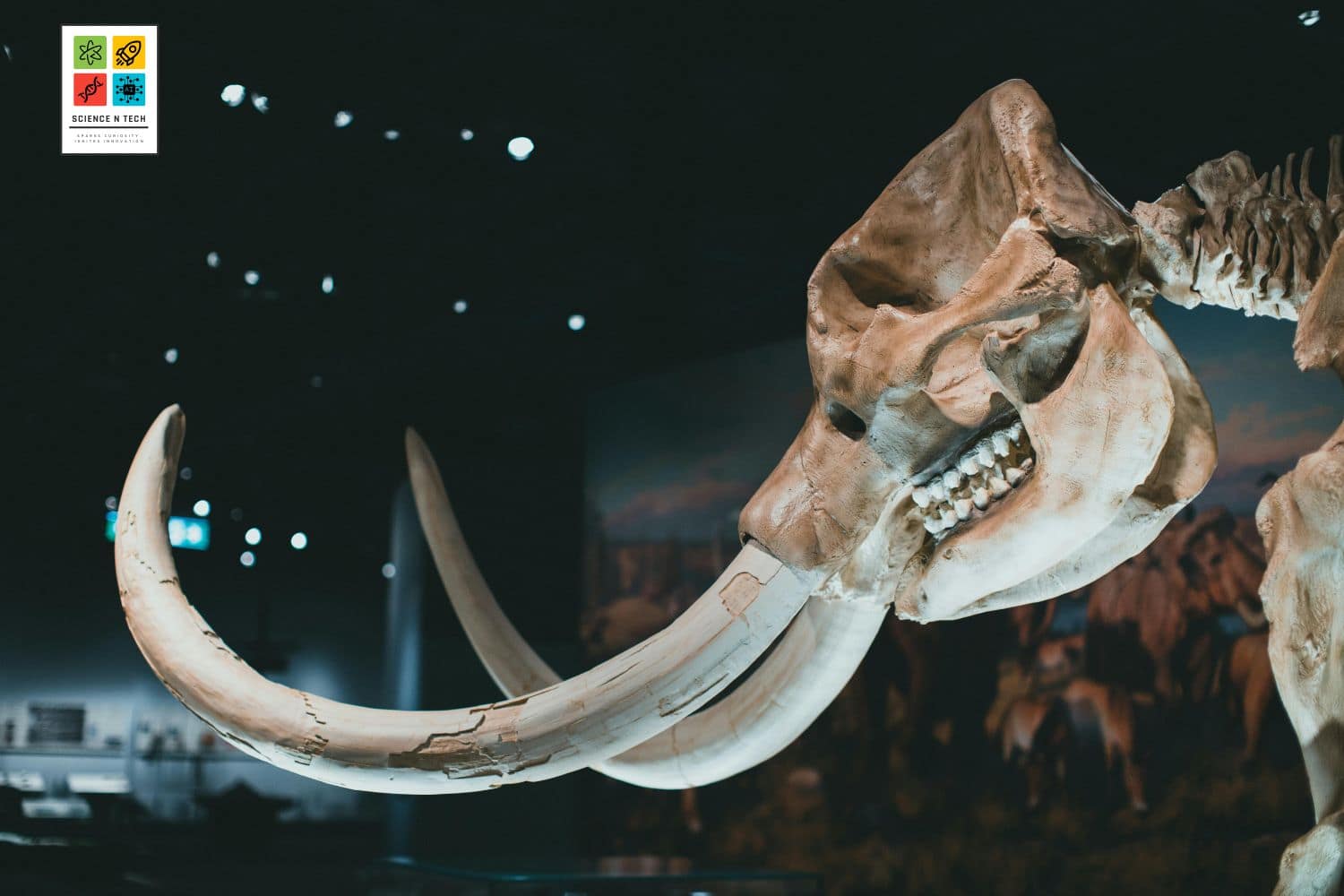
The most audacious goal for CRISPR in conservation is “de-extinction.” Leading this charge is the bioscience company Colossal Biosciences, which has famously announced its intention to bring back the woolly mammoth.
Their method is not true cloning, as intact mammoth cells don’t exist. Instead, they are pursuing a form of genetic engineering. The process involves:
Sequencing the complete woolly mammoth genome from DNA recovered from frozen remains.
Comparing this genome to that of the mammoth’s closest living relative, the Asian elephant.
Using CRISPR to edit the DNA of an Asian elephant cell, changing its genes to match the mammoth’s for key traits like a dense, shaggy coat, a thick layer of subcutaneous fat, smaller ears, and cold-adapted blood.
The goal is to create a “functional mammoth”—a cold-resistant elephant that is genetically a mammoth-elephant hybrid but looks and acts like its extinct cousin. The ultimate vision is to release herds of these animals into the Arctic tundra, where their grazing patterns could help restore the ancient grasslands and combat climate change by preventing permafrost from thawing. Similar projects are underway for the passenger pigeon and the thylacine (Tasmanian tiger).
A surprising fact: The foundation of this futuristic genetic tool was discovered in something quite ordinary: yogurt. Researchers studying the immune systems of Streptococcus thermophilus, a bacterium used in dairy production, were among the first to detail how the CRISPR-Cas9 system targets and destroys viruses, paving the way for its use in gene editing.
Genetic Rescue: Saving the Species We Have Left
While de-extinction grabs headlines, a more immediate and arguably more critical use of CRISPR is “genetic rescue.” Many endangered species suffer from a lack of genetic diversity due to small, isolated populations, making them vulnerable to disease and inbreeding.
CRISPR offers a solution. Scientists can edit the genomes of these animals to boost their resilience. A landmark example is the black-footed ferret. The entire current population is descended from just seven individuals, creating a severe genetic bottleneck. In 2021, scientists successfully cloned a ferret named “Willa” who died over 30 years ago and whose genes were not in the current population. This clone, named “Elizabeth Ann,” represents a vital infusion of lost genetic diversity. CRISPR is being used in this program to potentially edit out inherited disease vulnerabilities.
Beyond animals, CRISPR is being used to save entire ecosystems. The majestic American chestnut tree, once dominant in North American forests, was wiped out by a fungal blight. Using CRISPR, researchers are creating a blight-resistant version of the tree that could one day be restored to its native habitat. Similarly, scientists are exploring how to use CRISPR to make corals more resistant to the thermal stress that causes bleaching, potentially saving our planet’s reefs.
Another little-known fact: CRISPR can create a “gene drive,” a powerful and controversial modification that ensures a specific gene is passed down to almost all offspring, allowing it to spread rapidly through a population. In theory, this could be used to wipe out invasive species or make mosquitoes incapable of carrying malaria. However, the risk of unleashing unintended and irreversible ecological consequences makes it a technology of immense debate.
With the power to rewrite the code of life, we are no longer just stewards of nature; we are becoming its editors. The question is no longer can we, but should we? And as we stand before this new chapter in the history of life, where do we draw the line?
References
- Doudna, J. A., & Charpentier, E. (2014). The new frontier of genome engineering with CRISPR-Cas9. Science, 346(6213), 1258096.
- Colossal Biosciences. (n.d.). The Woolly Mammoth. Company Website.
- U.S. Fish & Wildlife Service. (2021, February 18). Black-footed Ferret Conservation Center Welcomes First-Ever Cloned Black-footed Ferret.
- Revive & Restore. (n.d.). The Great Passenger Pigeon Comeback.
- Nemet, D. (2021, October 22). CRISPR and the Future of Conservation. Harvard University Graduate School of Arts and Sciences.